BRAND + SYSTEM + CULTURE
2016 / 2019
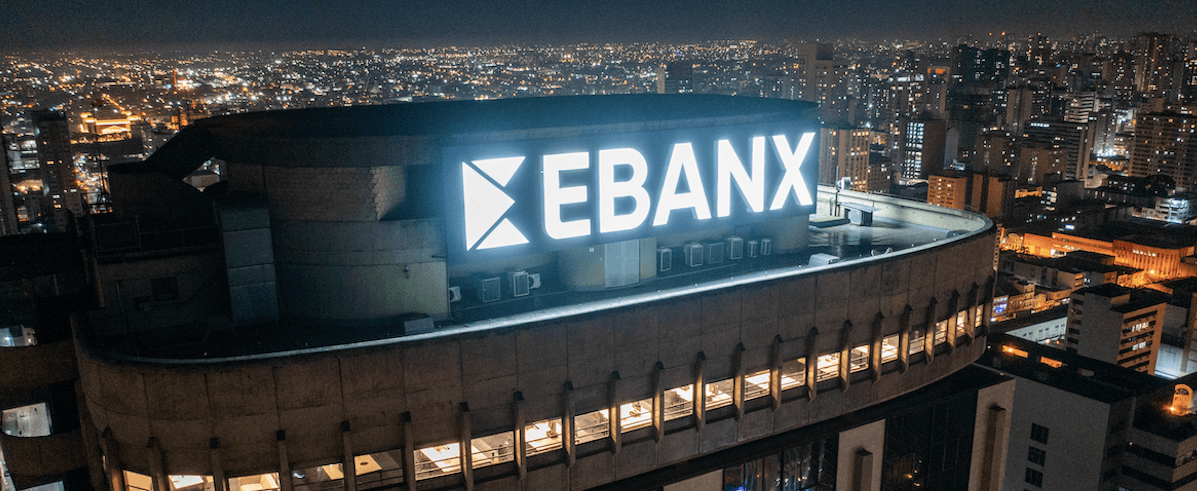
EBANX started as a Curitiba startup and became a global fintech with 40 million customers and merchants like Airbnb, AliExpress, and Spotify. I joined as a freelancer and stayed three years, eventually leading the design team.
The company went through a major restructure during that time. Design went from one centralised team to squads scattered across the organisation. Designers who had been working together suddenly had no shared visual language, no common components, no way to stay aligned. That moment triggered three connected pieces of work: a rebrand to give the team a unified identity to build from, a design system to give them the tools to work consistently, and an employer brand to help the company grow without losing what it had built.
I coordinated the rebrand and design system projects and in 2018 became Design Lead, managing a small team of three.
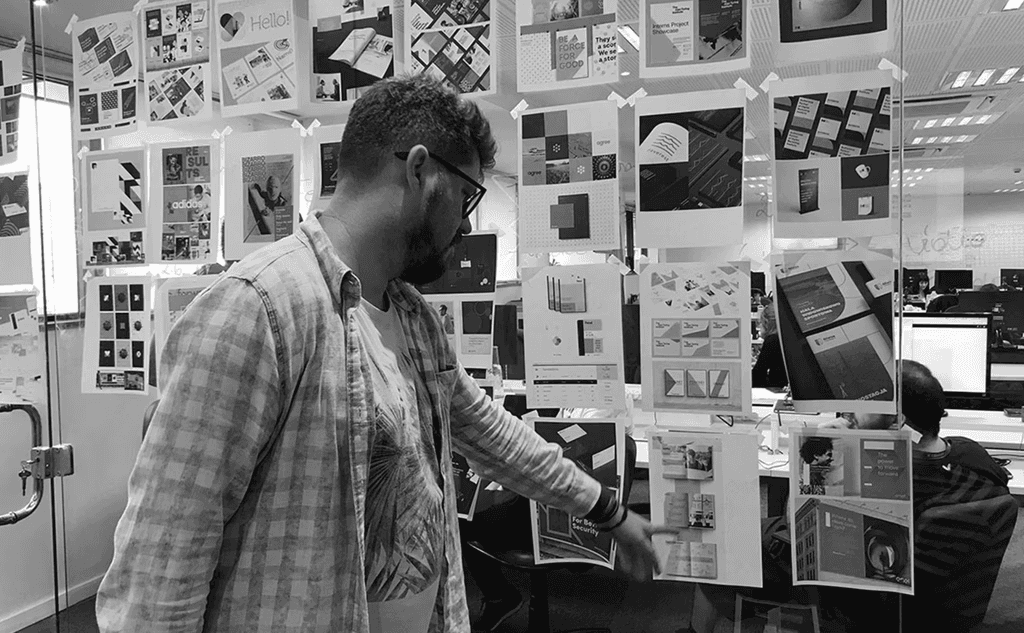
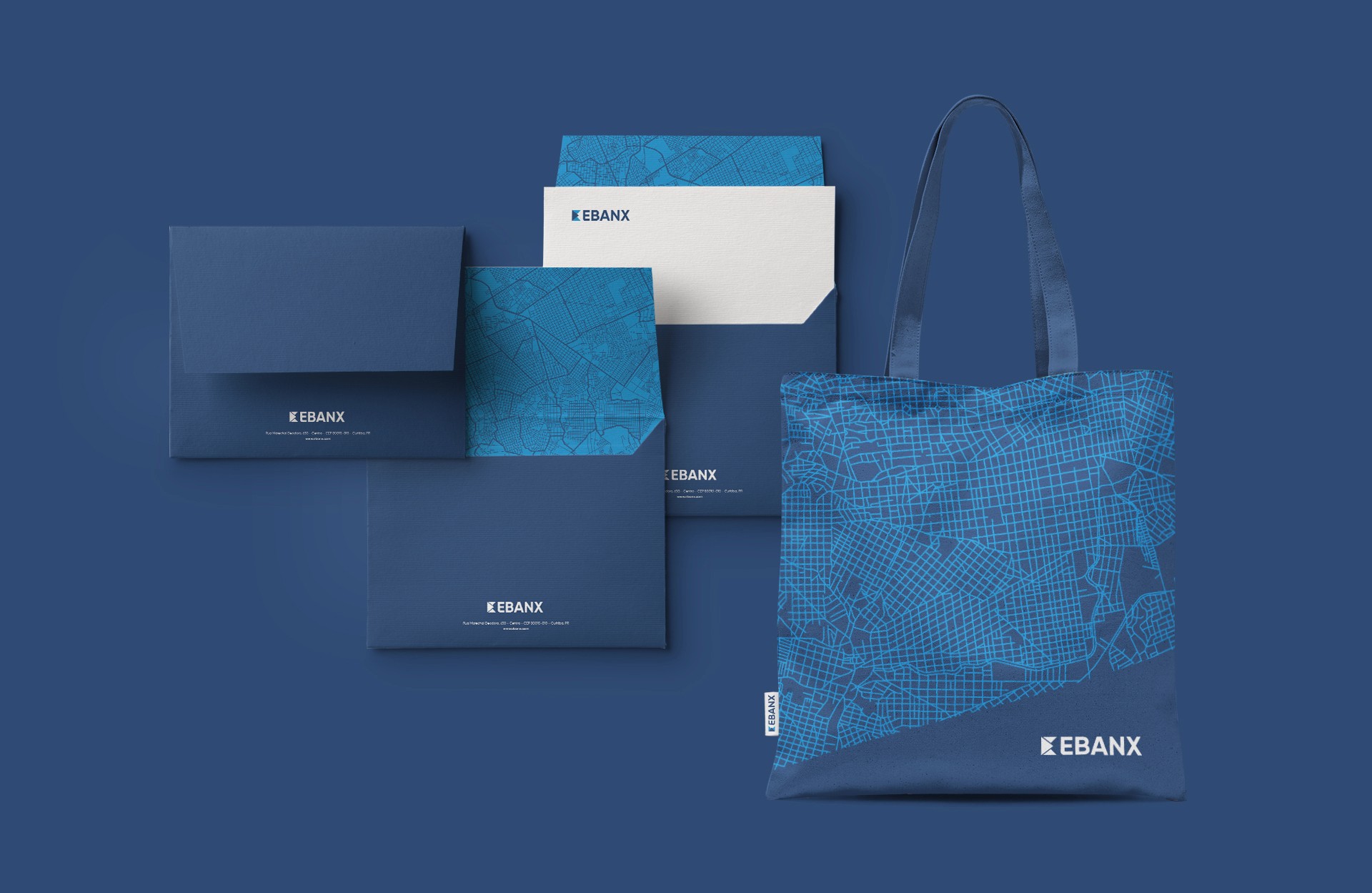
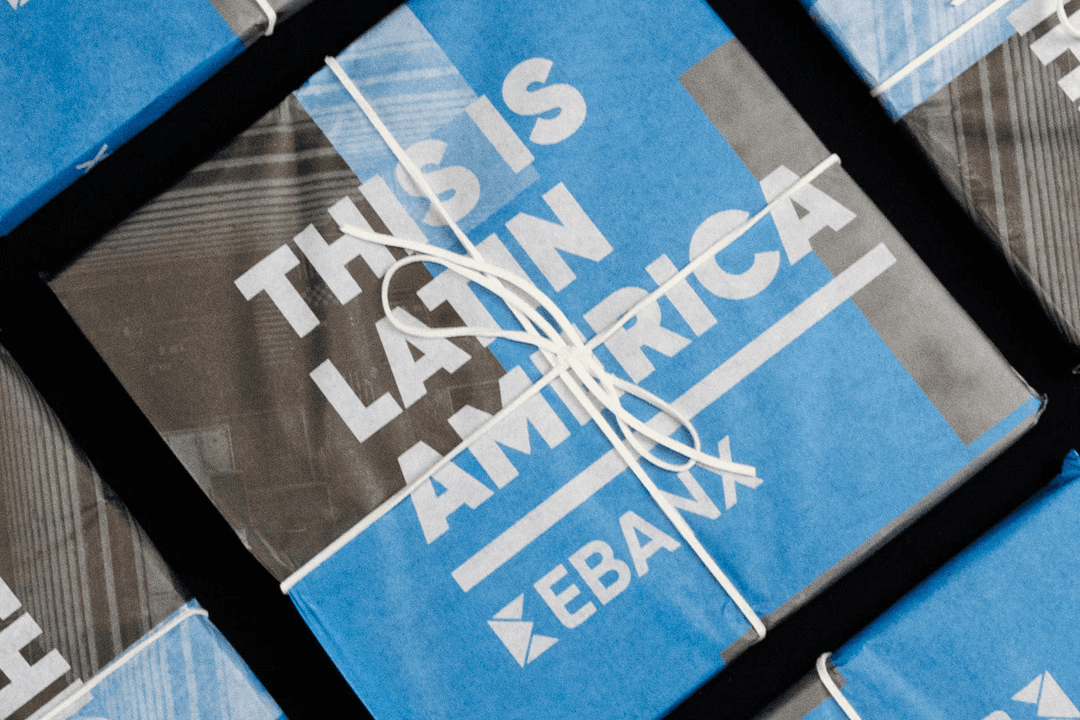
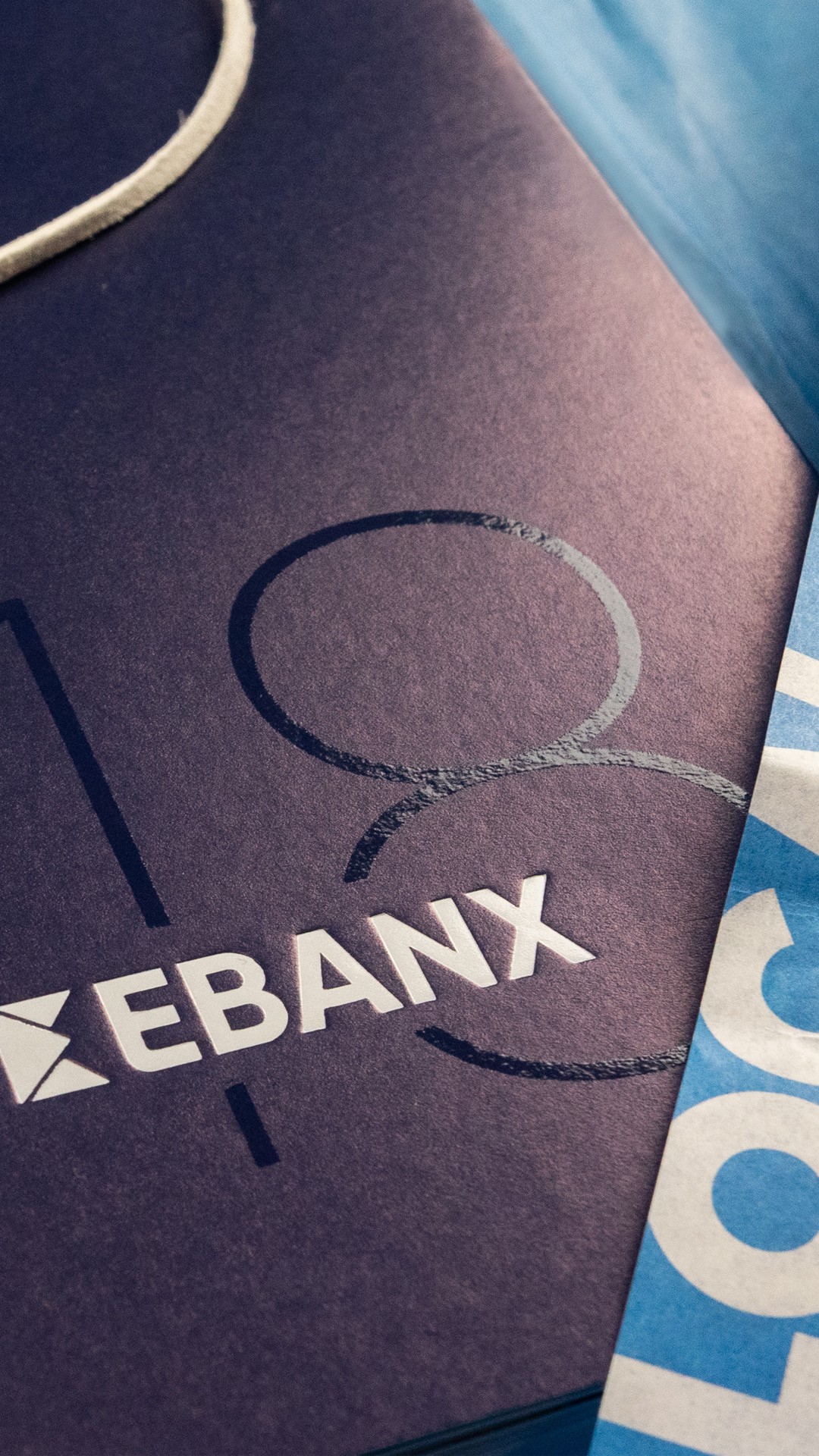
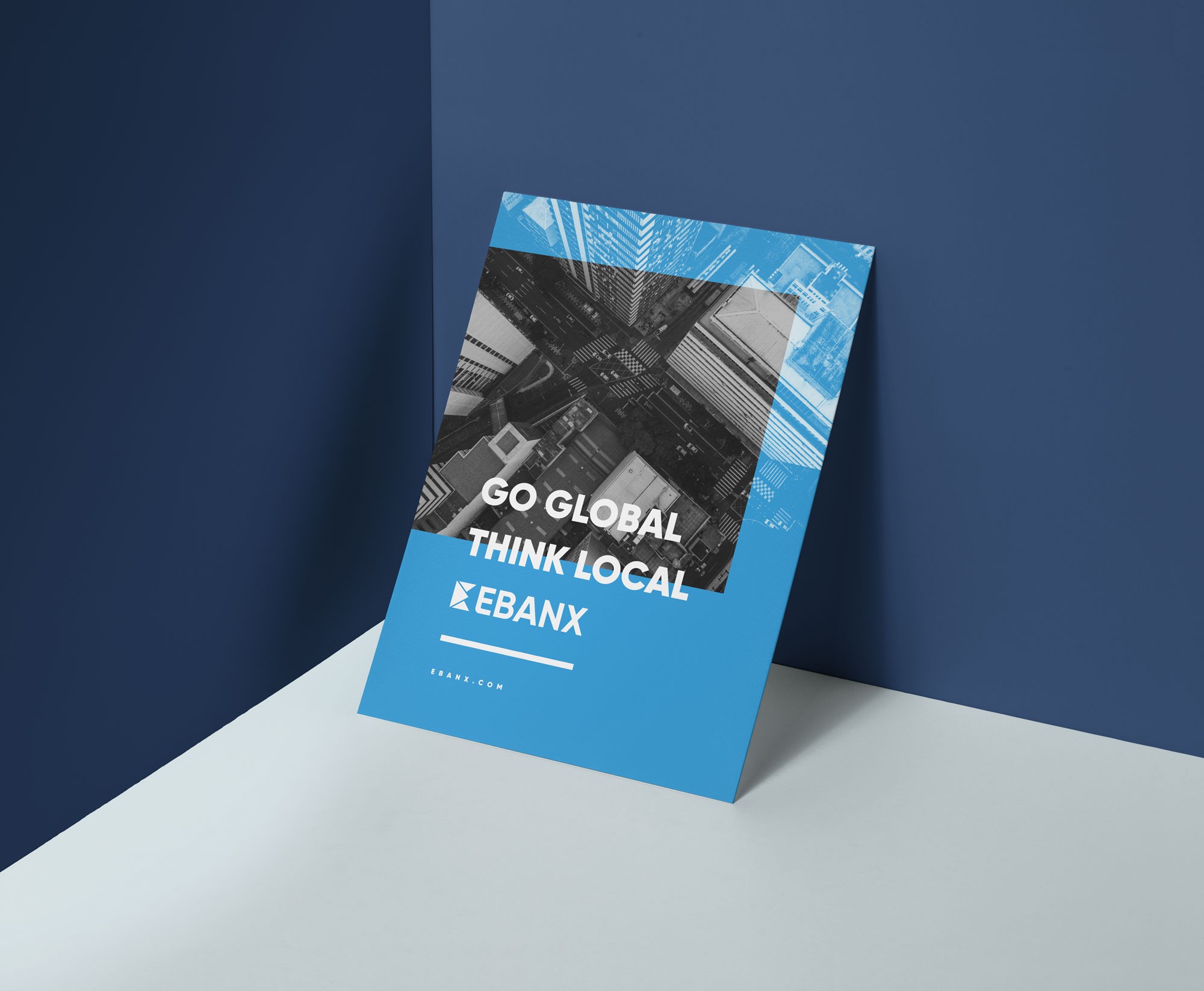
A subtle redesign, more modern, not a reinvention. EBANX already had recognition in the payment market and we didn't want to lose that. So we kept same structure, cleaner details, new typography, less colors.
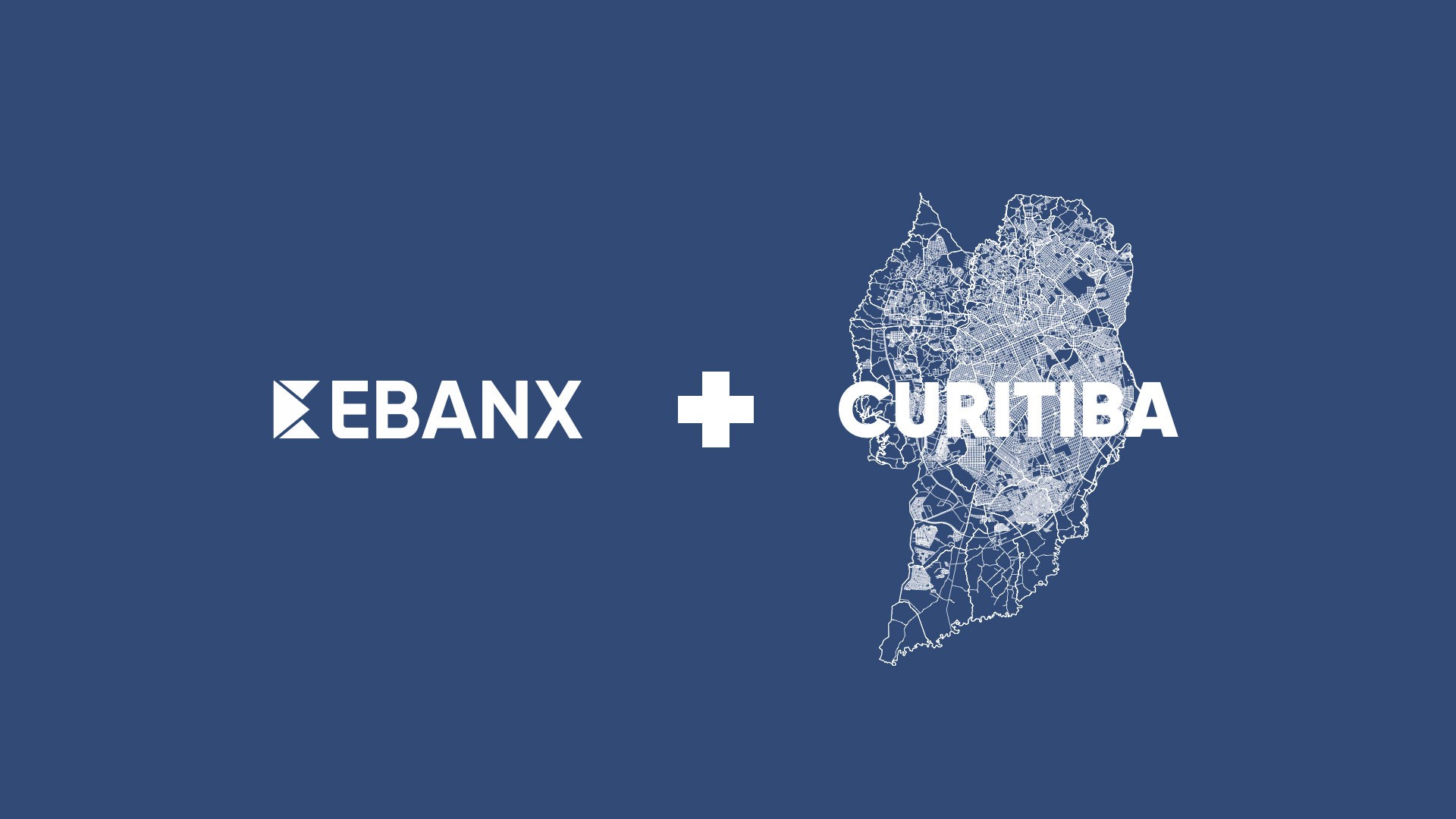
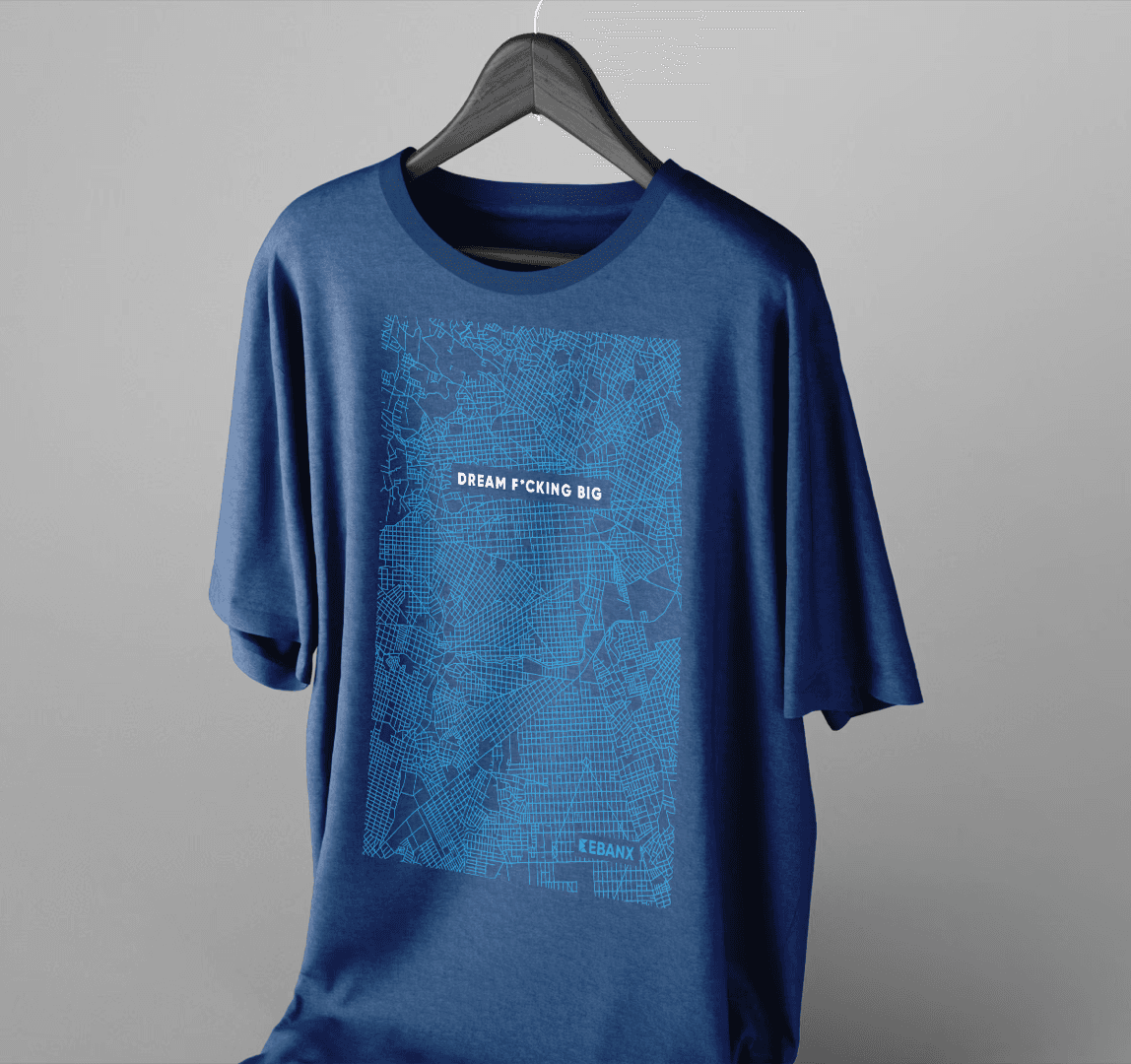
What we built around the logo was where the identity actually came together. EBANX had always had a deep connection to Curitiba: community events, local startups, real investment in the city. We used the city map as a recurring visual element. Not as decoration, but as something with meaning. A local company that broke barriers and connected Latin Americans to the world. The map represents both where the company came from and what it does.
The off-grid text alignment came from the same idea. Access and breaking barriers, expressed typographically.

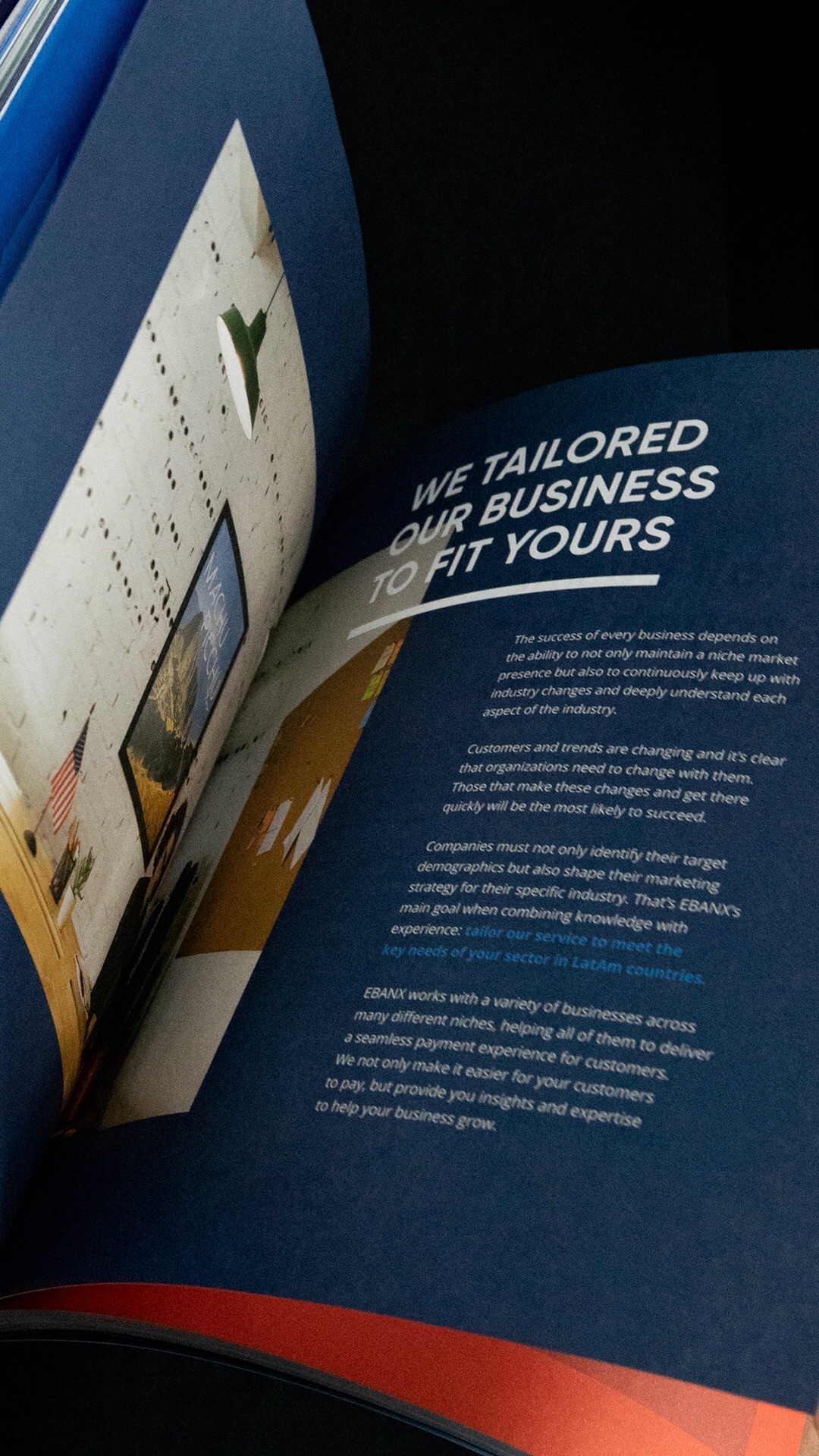
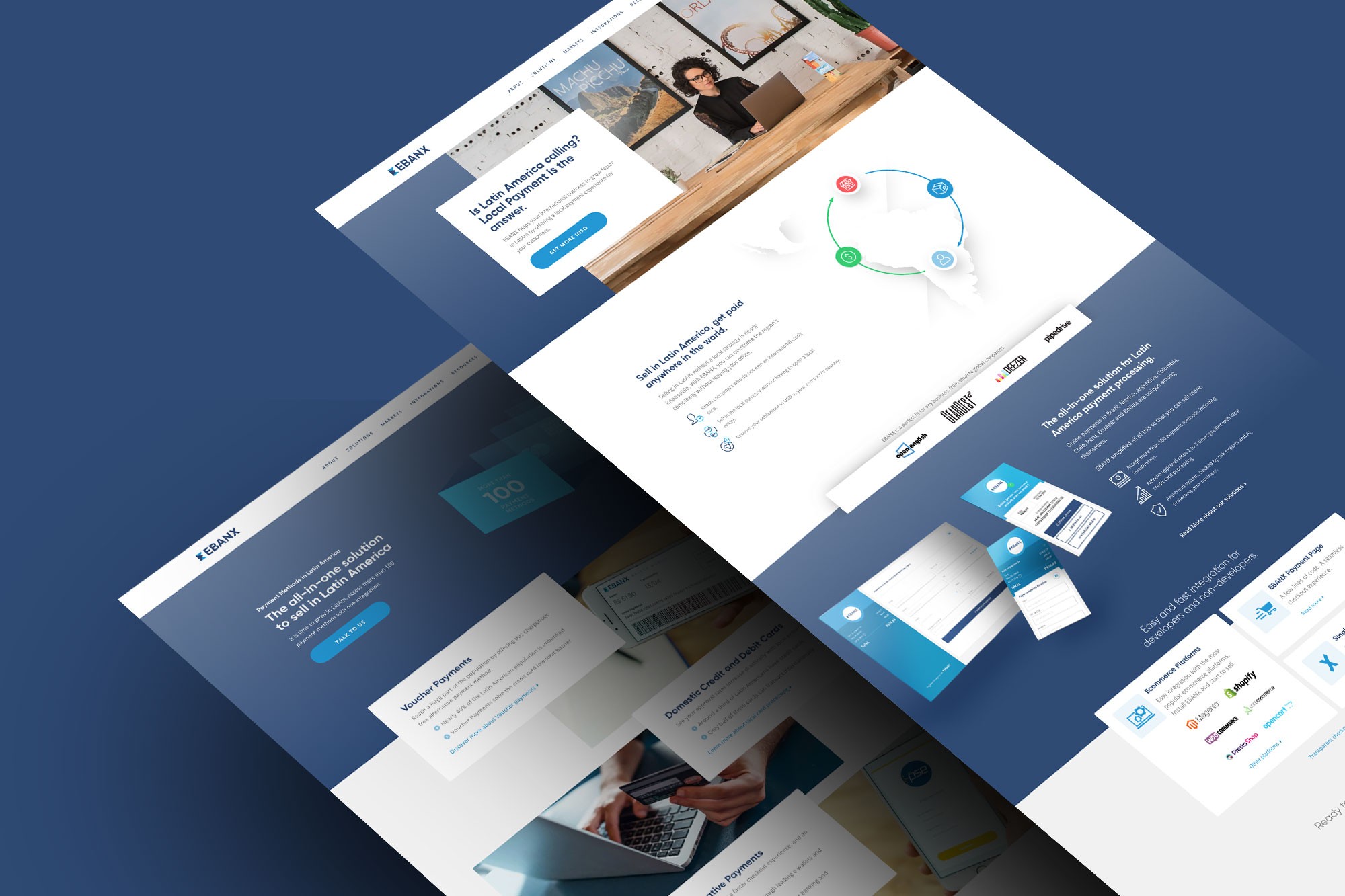
EBANX's growth was being driven by inbound. The website was a meaningful part of the acquisition funnel, and as the marketing and sales team expanded, it became a priority. HubSpot integrations were being built, campaigns needed to move fast, and the team needed to test and iterate without friction. The problem was that everything was hardcoded. Any change required an engineering ticket, which made the whole thing slow.
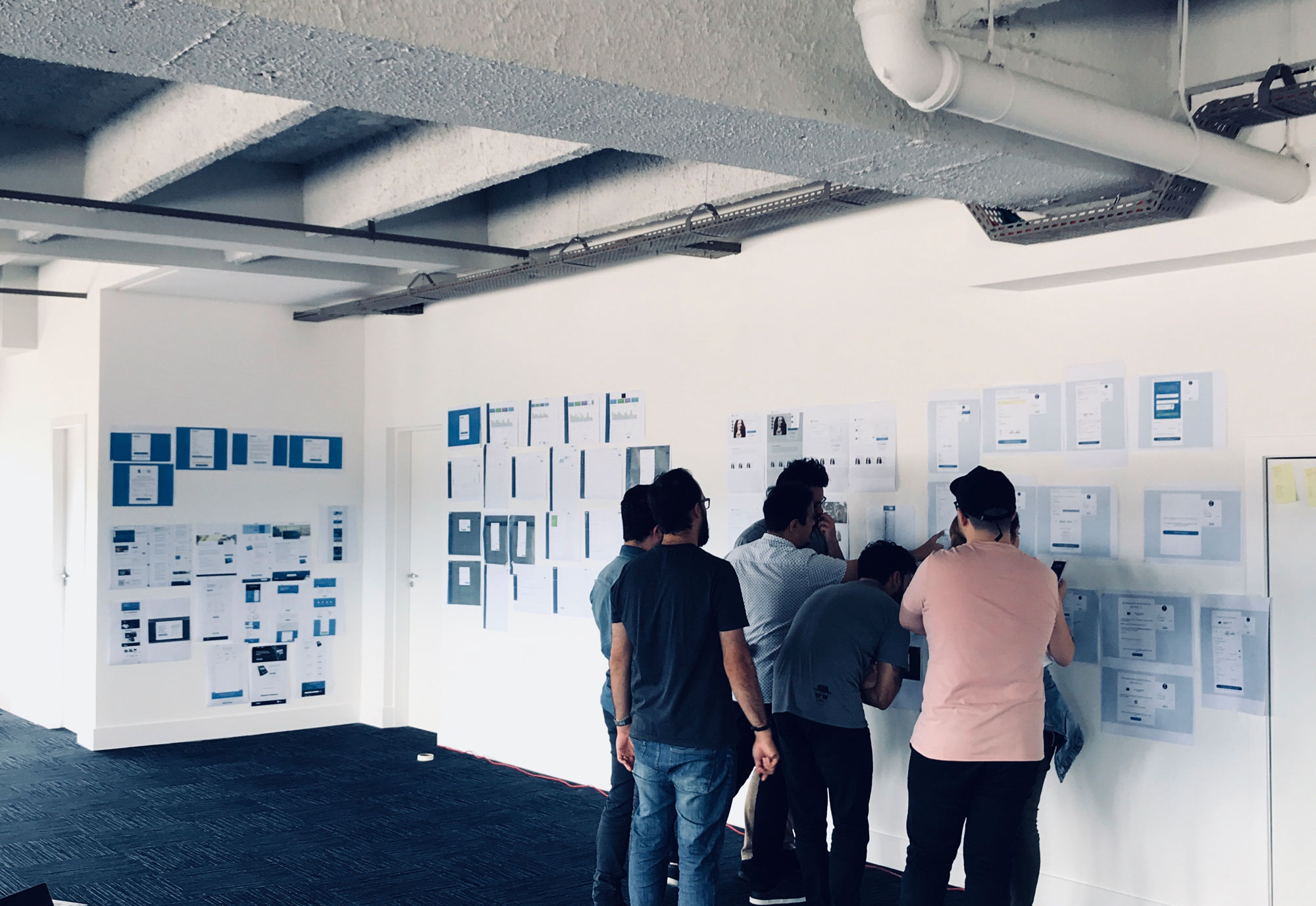
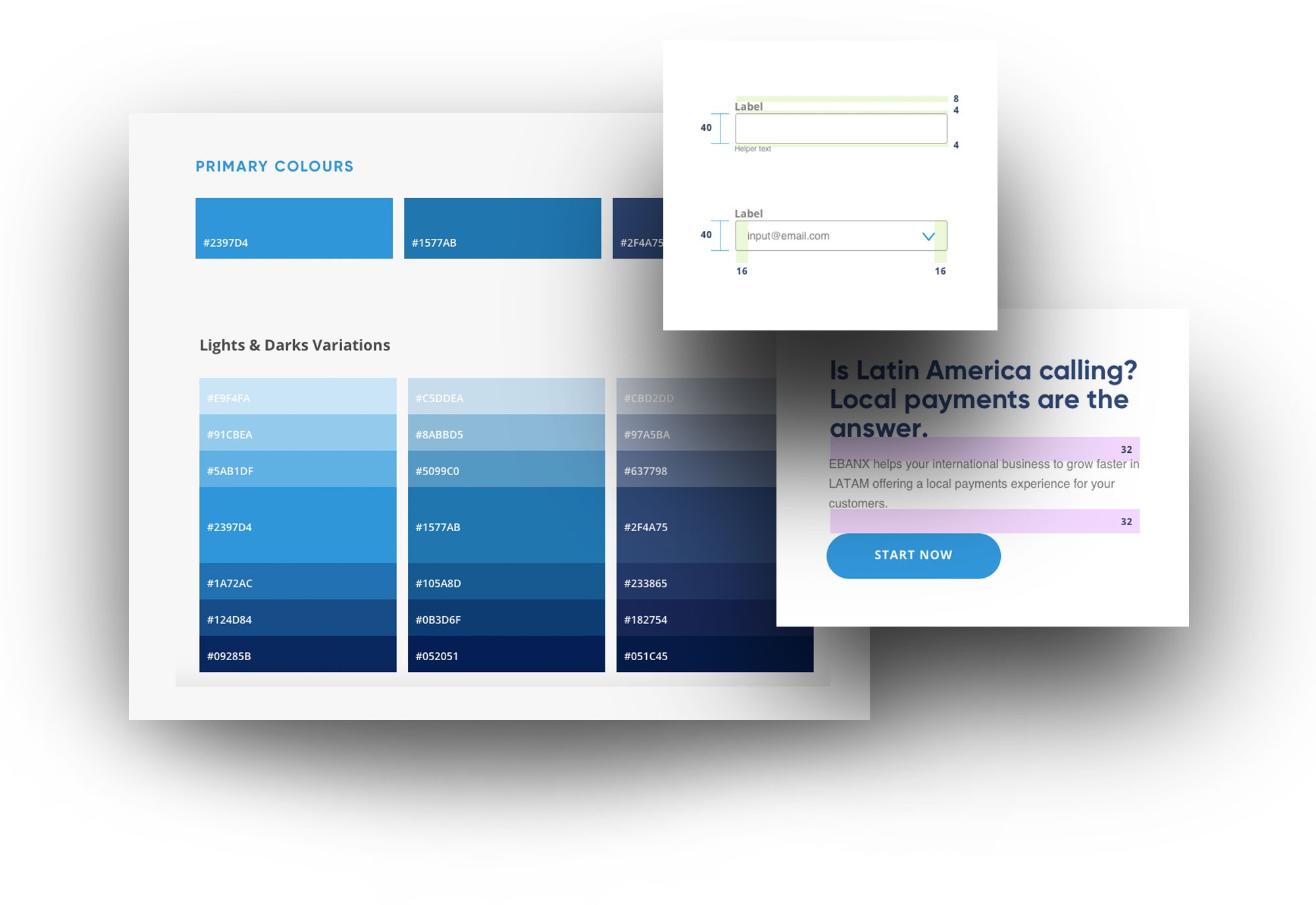
Before touching anything, we audited our full digital footprint. Every page, every website we were maintaining. Typography inconsistent, colours drifting, copy with no unified voice. We catalogued the most used components, then used Atomic Design to build from the ground up: tokens and basic elements first, then components, then full landing page building blocks.
Front-end was involved throughout, not just at handoff. Decisions were made together so components worked in production from day one.
The starting point was the website, with the goal of expanding across other products over time. Because the redesign was happening in parallel, we were building against a real use case from the start.
The marketing team ended up able to create and test landing pages without touching design or engineering. In the first days after launch we saw increases in CTA clicks, conversion rate, and time on the platform.
EBANX was hitting 500 employees and opening dozens of positions every month. Curitiba is a great city but it's not São Paulo. Attracting people who were qualified and a cultural fit was genuinely hard.
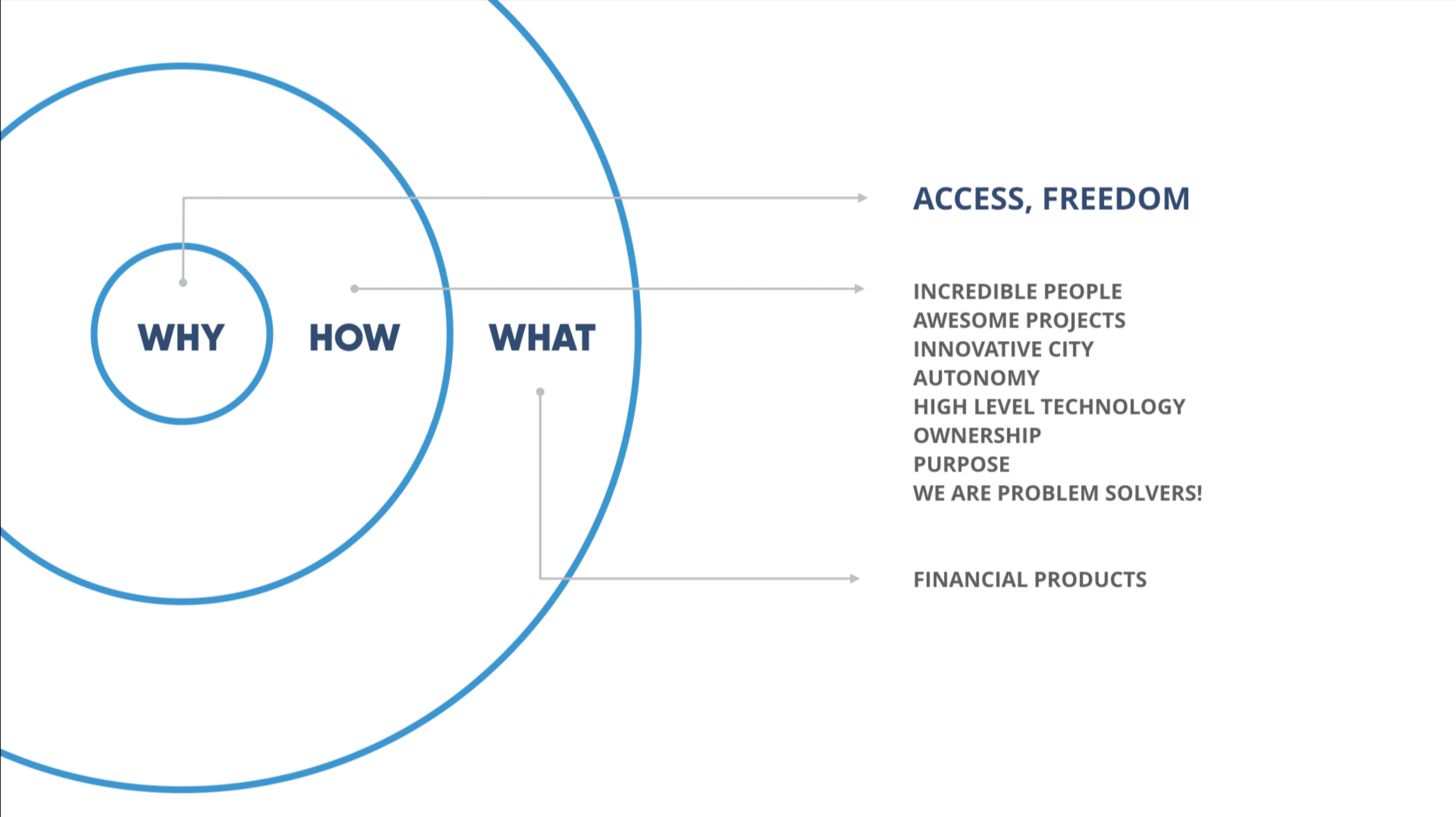
We started with internal interviews. People team, stakeholders, team members. The goal was to understand how we saw ourselves before deciding how to talk to the outside world. From that we mapped why we existed, how we worked, and what we actually did. The why was clear: access and freedom. The how was real autonomy, a strong team, and a city most candidates underestimated.
The concept we landed on was "Be part of the change." Working at EBANX meant directly impacting 40 million customers and hundreds of companies. Not a slogan, just what the job was.
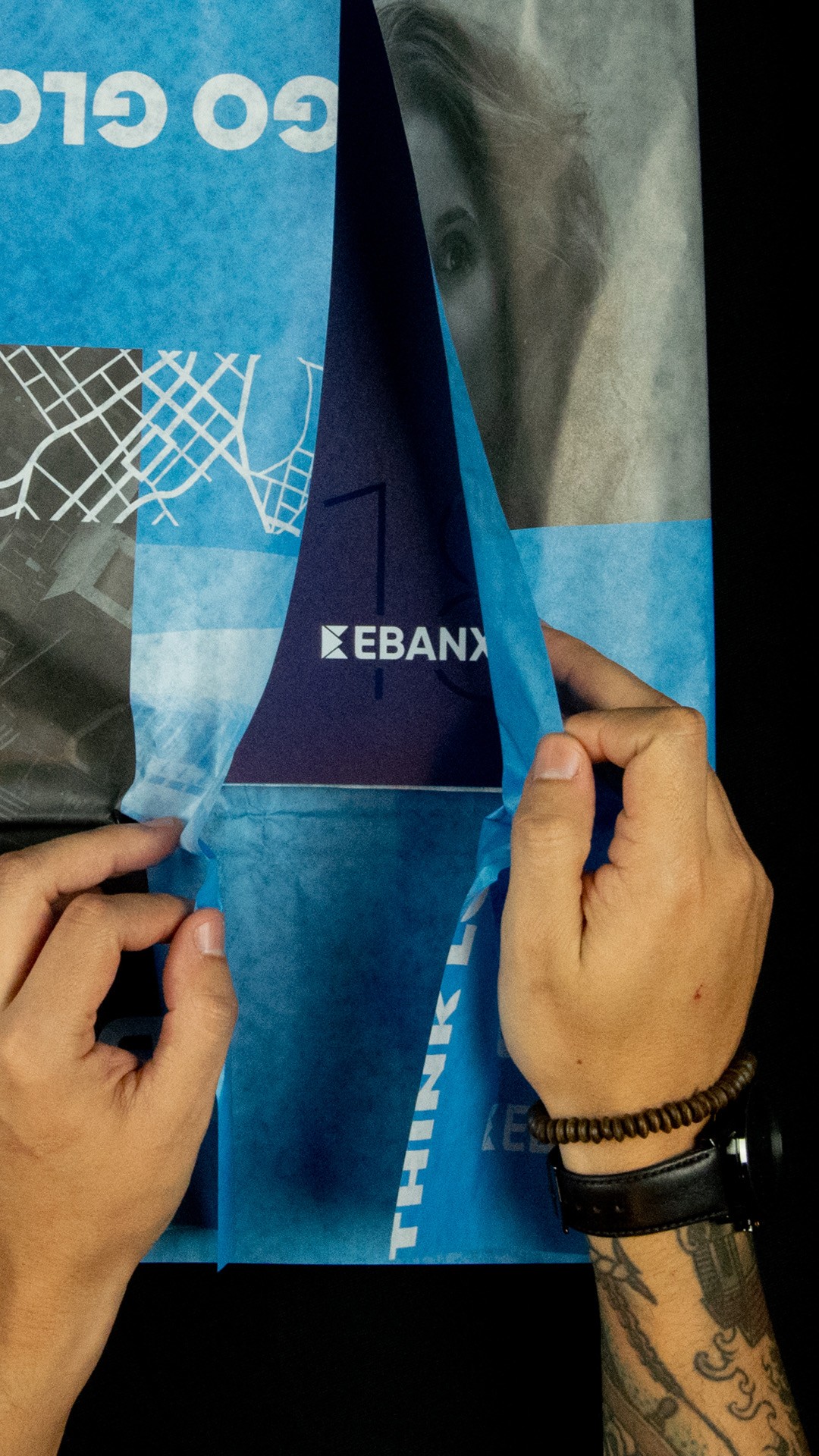
For the visual direction, a lot of the inspiration came from documentary work I was watching at the time. Chef's Table, Wormwood, Wild Wild Country. That photography, that intimacy, people shown honestly rather than staged. We took that into the brief and built the whole thing around real people in real environments. Talking about yourself as a company only works if it's true.
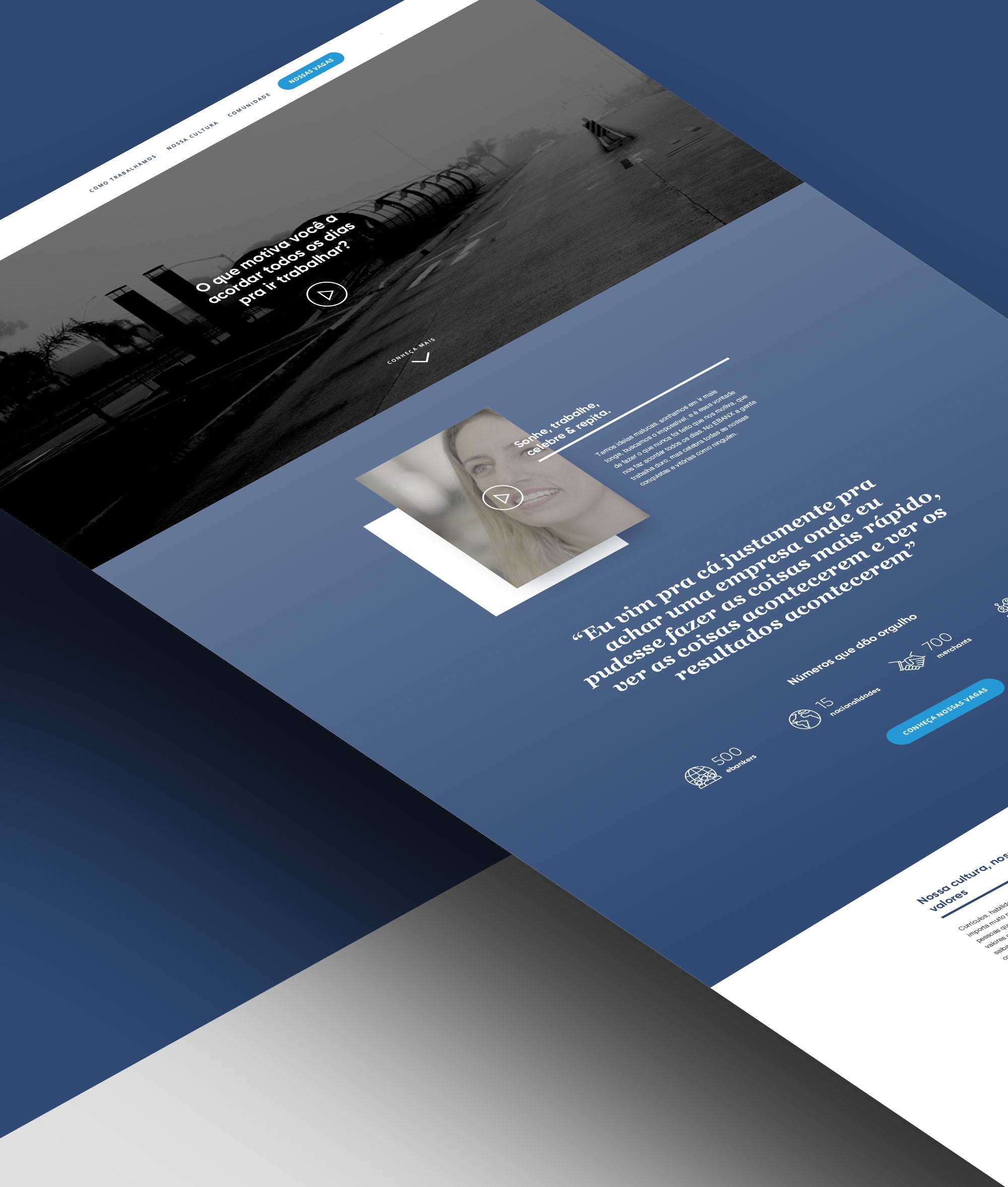
Deliverables were a new careers page, an institutional video, and shorter clips for social and job platforms.